Optimal Timing for Butcher Block Installation
Installing during moderate temperatures and humidity levels reduces the risk of wood expansion or contraction, ensuring a better fit and finish.
Indoor installations are best scheduled when the environment is stable, avoiding extreme weather conditions that can affect moisture levels.
Planning installations during periods of low activity or prior to major renovations can help maintain a controlled environment for the best results.
Allowing the butcher block to acclimate to its environment for at least 72 hours before installation promotes dimensional stability.
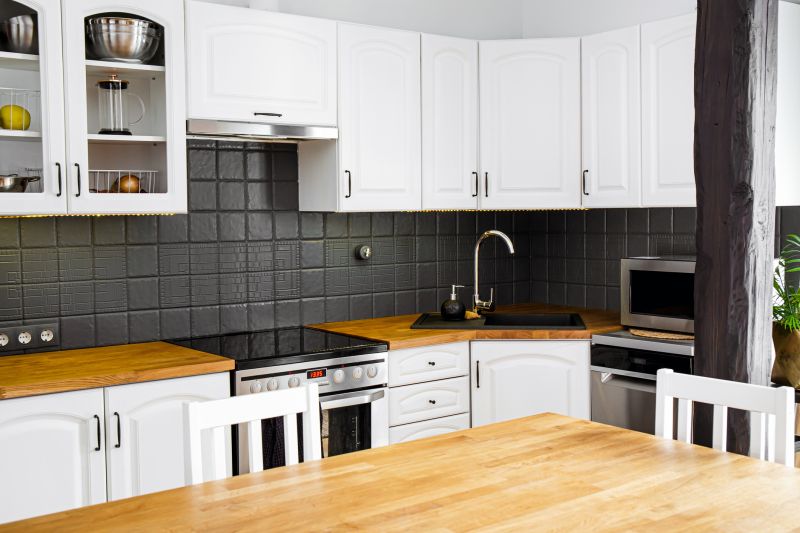
Spring offers moderate temperatures and humidity, ideal for wood installations.
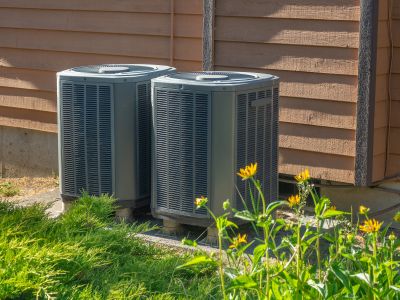
High temperatures and humidity can cause wood to expand, requiring careful acclimation.
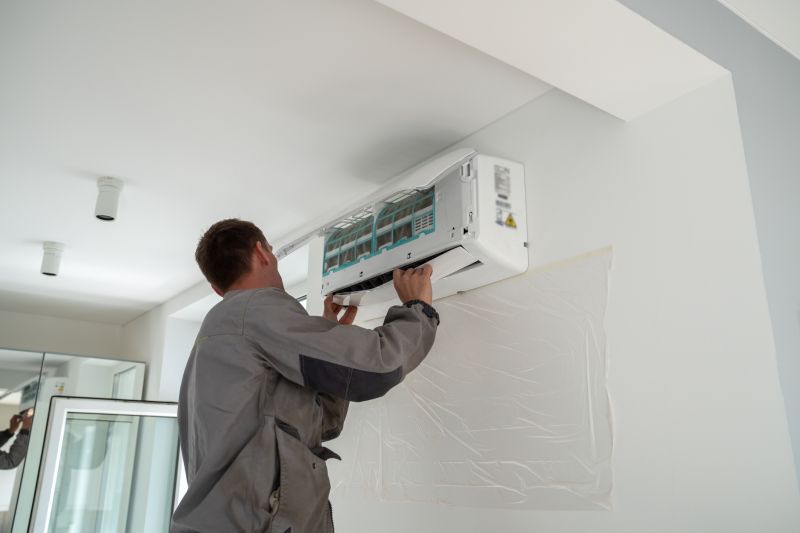
Cooler months with stable indoor climates are suitable for precise installation and finishing.
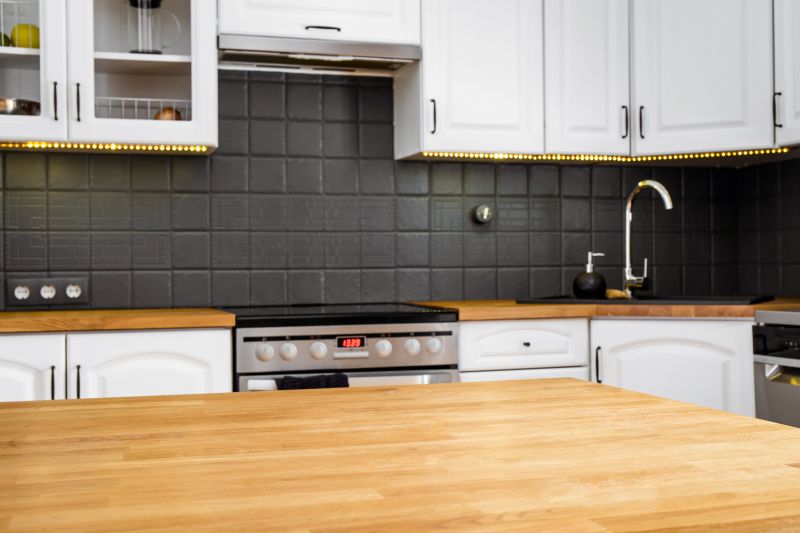
Ways to make Butcher Block Installations work in tight or awkward layouts.
Popular materials for Butcher Block Installations and why they hold up over time.
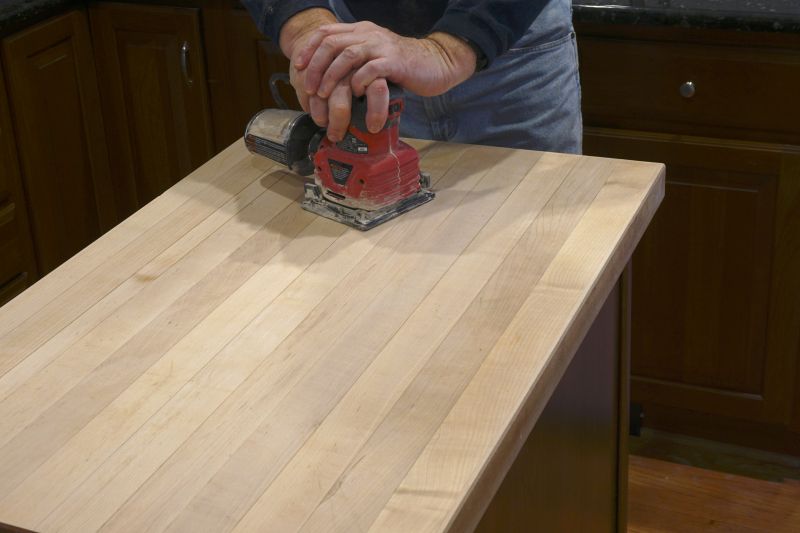
Simple add-ons that improve Butcher Block Installations without blowing the budget.
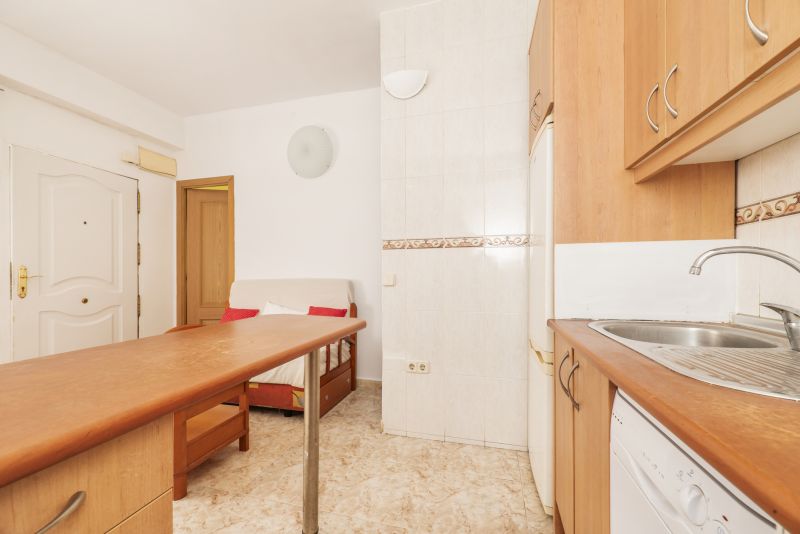
High-end options that actually feel worth it for Butcher Block Installations.
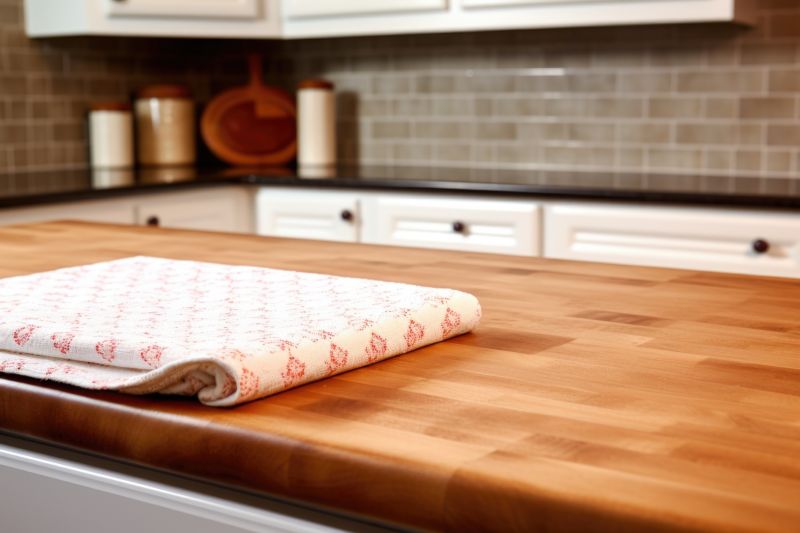
Finishes and colors that play nicely with Butcher Block Installations.
| Factor | Best Practice |
|---|---|
| Temperature | Install during moderate temperatures to prevent wood movement. |
| Humidity | Ensure relative humidity is between 40-60% for stability. |
| Indoor Environment | Schedule when indoor climate controls are active for consistency. |
| Project Timeline | Plan ahead to avoid delays during peak seasons. |
| Material Acclimation | Allow at least 72 hours for wood to adjust before installation. |
| Construction Activity | Choose periods with minimal other construction to reduce disruptions. |
Proper timing for butcher block installations involves considering environmental conditions, project schedules, and material acclimation. Installing during periods of stable temperature and humidity enhances the longevity and appearance of the wood surface. Planning ahead and selecting optimal seasons can prevent issues related to wood movement, warping, or moisture-related defects, ensuring a durable and visually appealing result.
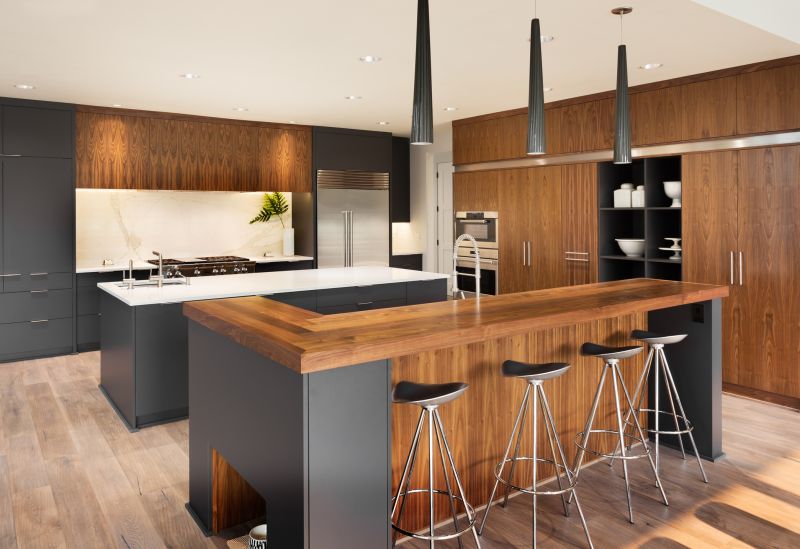
Showcasing a well-installed butcher block countertop.
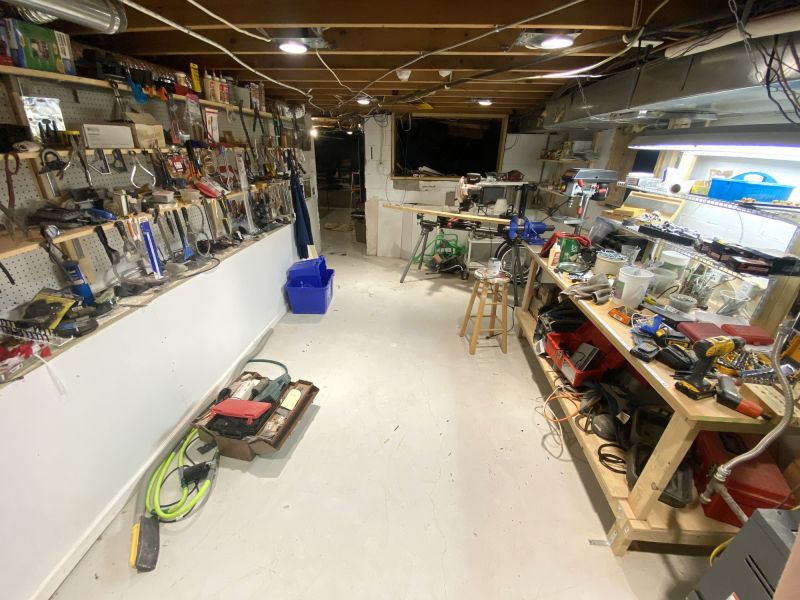
Indoor environment optimized for wood installation.
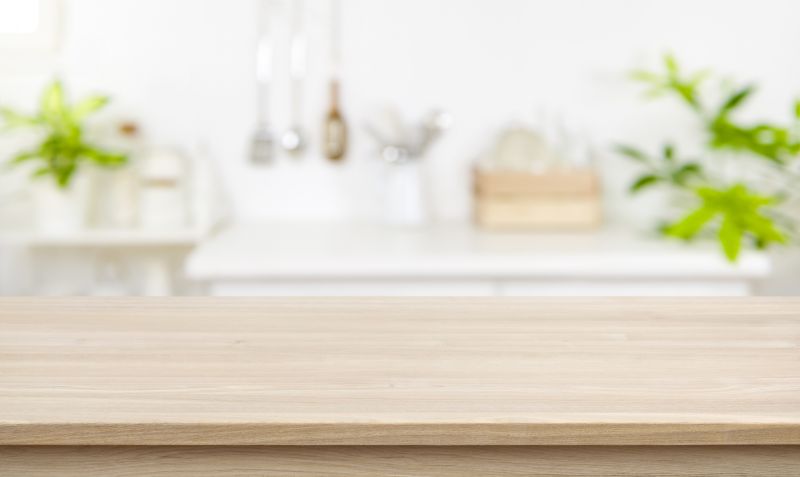
Illustration of wood expansion and contraction across seasons.
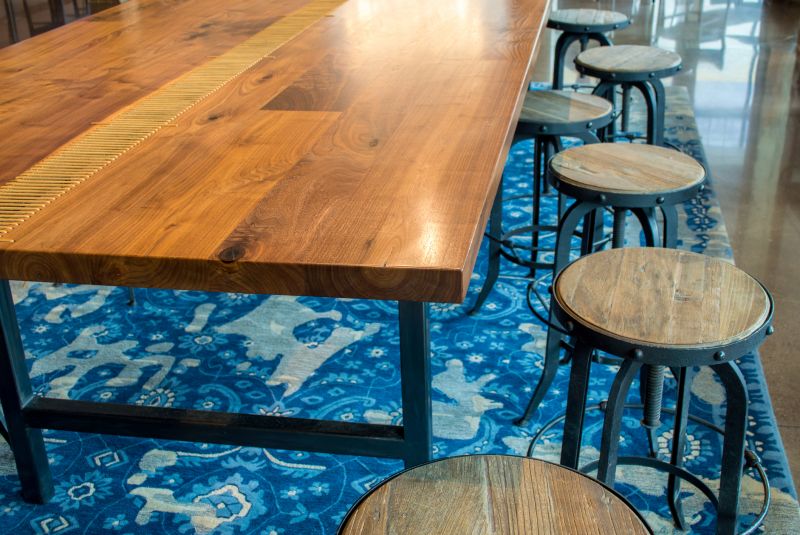
A completed installation in a modern kitchen setting.
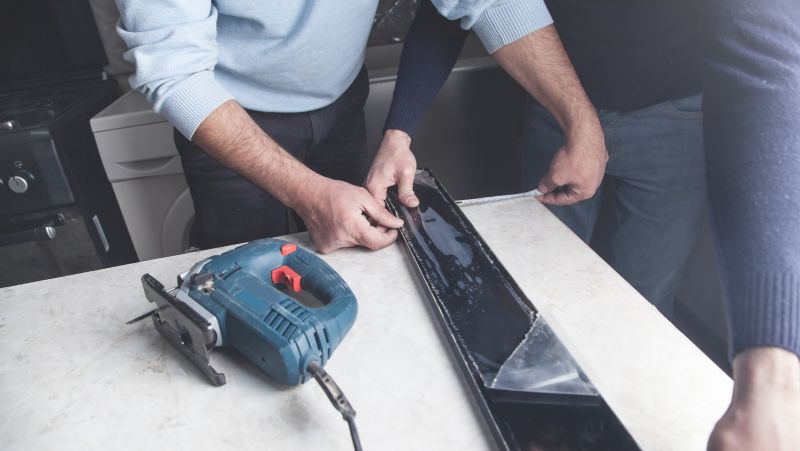
Little measurements that prevent headaches on Butcher Block Installations day.
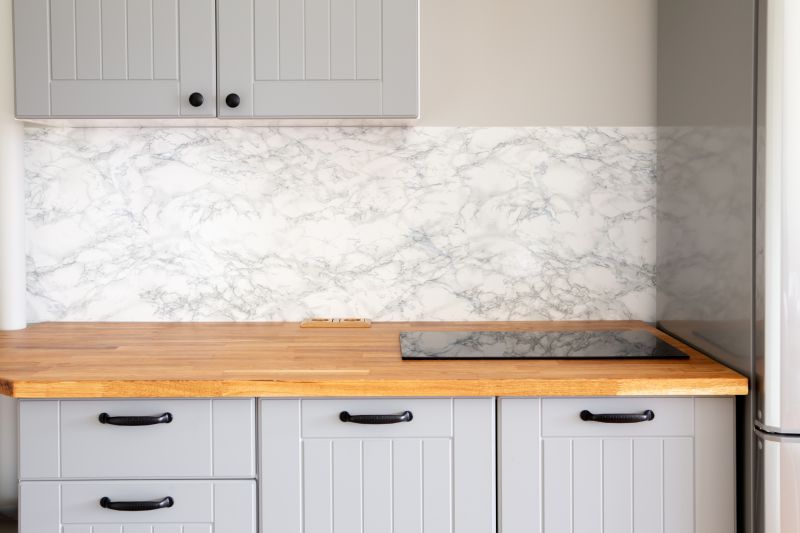
A 60-second routine that keeps Butcher Block Installations looking new.
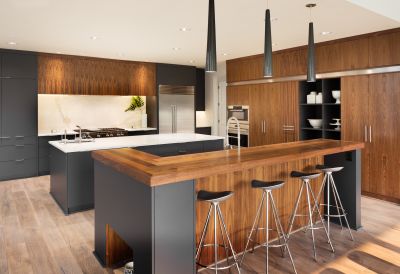
A frequent mistake in Butcher Block Installations and how to dodge it.
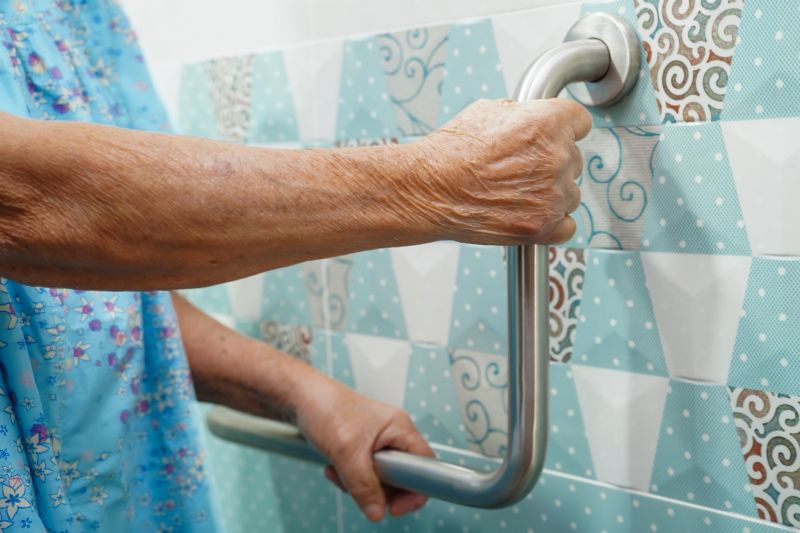
Small tweaks to make Butcher Block Installations safer and easier to use.
Interested in scheduling a butcher block installation? Filling out the contact form can provide more information and help plan a project at the most suitable time for optimal results.